In late September, as the anniversary of the October 7 Hamas attack approached and Gaza was in turmoil, Israeli Prime Minister Benjamin Netanyahu announced a new strategic priority: attacking Hezbollah in southern Lebanon.
Even though brutal operations have killed the group’s leaders and displaced more than 1.2 million civilians, Hezbollah remains a formidable opponent — most recently, it even launched a drone strike targeting Netanyahu’s own home.
This article explores how Hezbollah has survived, adapted, and responded despite facing Israel’s superior firepower.
Israeli Multi-Front Attacks on Hezbollah
The Killing of a Top Commander
In late September, Israeli forces launched a series of sustained airstrikes. Key Hezbollah figures killed include:
Hassan Nasrallah (Secretary General)
Hachem Safiyeddin (Deputy Head)
Nabil Gaouh, Ibrahim Aqil, and Ali Karaki (Senior Military Commanders)
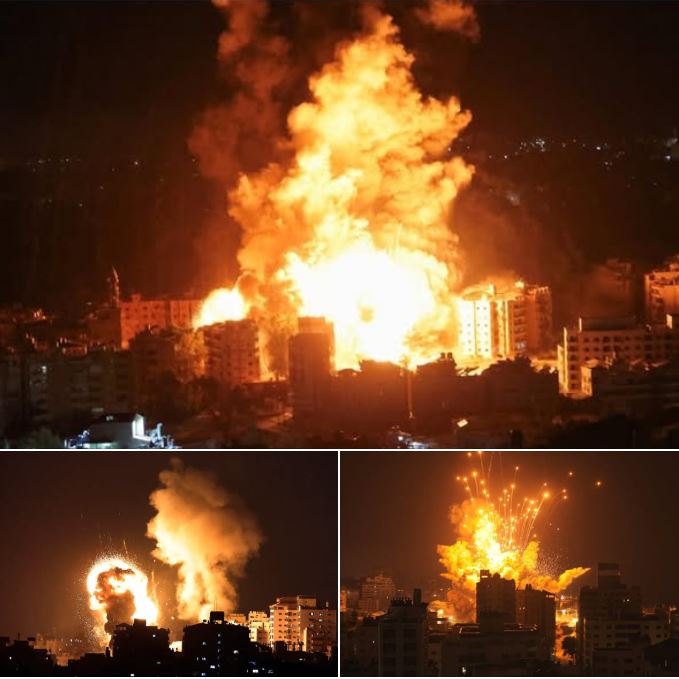
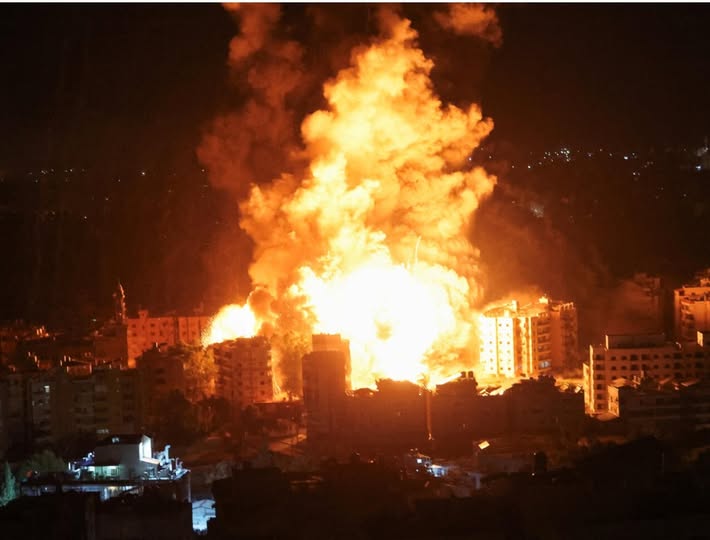
These attacks targeted Hezbollah strongholds in Dahiyeh, the Beqaa Valley, and even the heart of Beirut, including drone manufacturing plants and financial centers.
Psychological attacks:
Israeli reportedly also detonated thousands of communication devices (pagers, radios), killing both fighters and civilians, with the aim of destroying Hezbollah’s central command center.
Hezbollah’s robust structure and strategies.
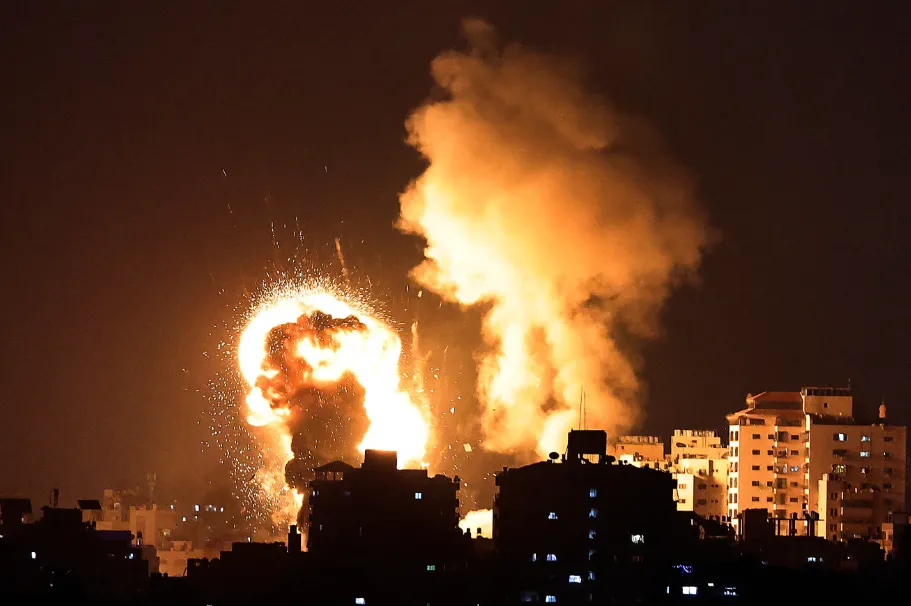
Despite heavy damage, Hezbollah continues to operate. Why?
Independent Units
Hezbollah’s military strategy is based on decentralization. Small, well-trained units operate independently, with their own tactical decision-making authority. This command approach allows the group to remain operational even after the destruction of its leader.
High Mobility and Dispersion
Hezbollah relies on tactics developed from previous conflicts, such as:
Tunnels and underground shelters
Mobile rocket launchers
Mountain bikes for uncontested transport
Rapid deployment/deployment times (less than 30 seconds for rocket launch)
Continuous Response to Israel
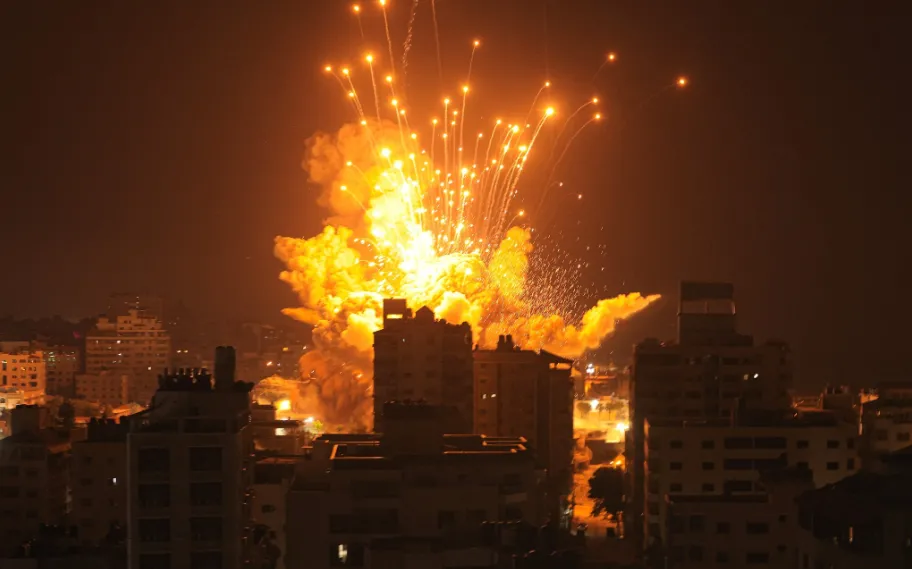
Netanyahu’s home attacked.
A Hezbollah drone struck Prime Minister Netanyahu’s resort in Caesarea. Although Netanyahu was not there, the attack demonstrates the group’s ability to penetrate deep into Israel.
Daily attacks continue.
Hezbollah continues its attacks with:
Uncontrolled rockets targeting border towns.
High-precision missiles, including attacks near a weapons manufacturing plant outside Tel Aviv. Bomb-laden drones, sometimes able to evade Israel’s Iron Dome missile defense system.
Dozens of Israeli soldiers have been wounded and infrastructure damaged.
Israeli ground offensive stalled.

Despite weeks of heavy bombardment and ground advances, Israel has been unable to capture and hold a single village in southern Lebanon. Israeli forces consistently occupied areas for only brief periods before retreating under constant guerrilla fire.
Hezbollah’s deep understanding of Lebanese terrain—valleys, hills, and valleys—given them a significant advantage as the host nation.
The resulting human casualties and civilian displacement are substantial.
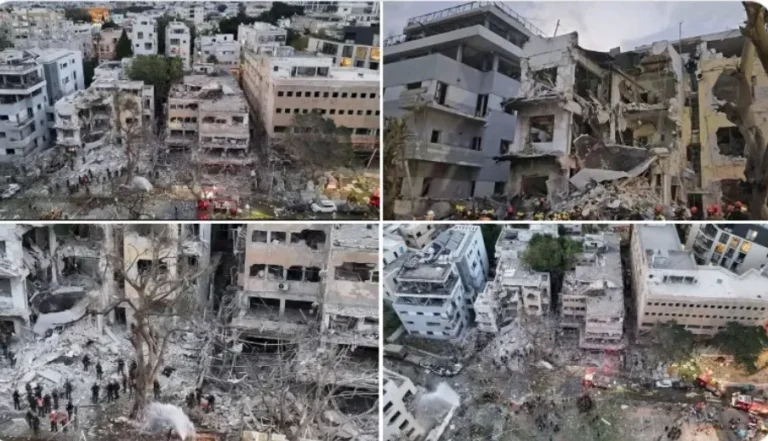
The Losses for the Lebanese People:
More than 1.2 million Lebanese people have been displaced.
Nearly 500,000 children have been forced from their homes.
Hundreds of civilians have died, although the exact figures vary.
The Losses for the Israeli People:
Dozens have died and hundreds have been injured in Hezbollah rocket and drone attacks.
Property and infrastructure have suffered extensive damage, including in Haifa, Tel Aviv, and Petah Tikva.
Why Hezbollah Survives:
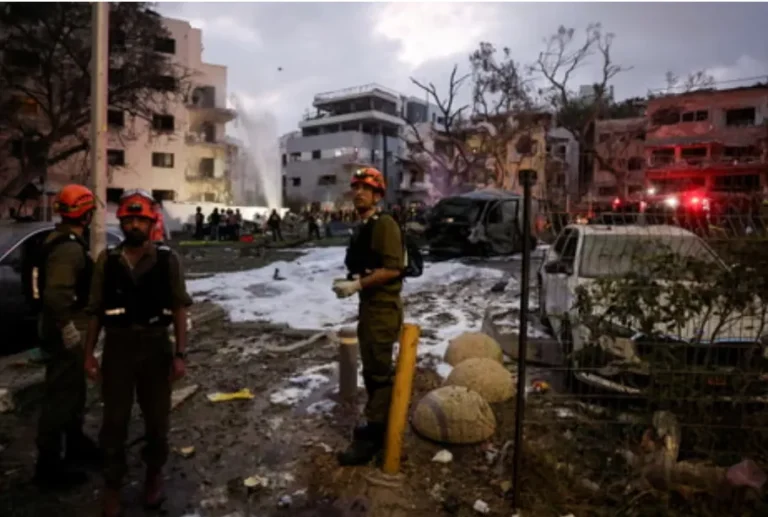
According to defense analysts, Hezbollah doesn’t need to win—they simply need to disrupt Israeli peace.
The group’s goals are:
To continuously deprive Israeli citizens of security.
To undermine Israel’s military and political resources.
To disrupt Israeli civilian lives, not to occupy territory.
This long-term warfare strategy, refined through decades of asymmetric warfare, continues to frustrate Israeli military planners.
A war of debilitating force.
Favaz Gerges, a professor at the London School of Economics, states:
“Hezbollah doesn’t control all of southern Lebanon, but neither does Israel. Their guerrilla tactics and independent command allow them to wage a war of debilitating force that undermines Israel’s momentum.”
In conclusion:
Even though the campaign has dismantled Hezbollah’s top leadership and infrastructure, the group remains functional and dangerous.
The group’s organizational resilience, asymmetrical strategies, and grassroots military design have allowed Hezbollah to survive what should have been its end.
The question now isn’t whether Israel can destroy Hezbollah. But can Israel achieve long-term peace without resolving the issues through political and diplomatic means?
Official Sources
AP News – Israel attacks Beirut suburbs targeting Hezbollah drone production facilities
TIME – Israel gets the war it wants
The Guardian – Tel Aviv explosions, Beirut and Tehran attacks
CSIS Report – Battlefield design and Hezbollah independence
UN OCHA – Humanitarian impact of the Lebanese conflict (2025)